Rig Wash Suppliers
Best Practices for Rig Wash and Equipment Cleaning | Complete Guide for Oil & Gas Operations
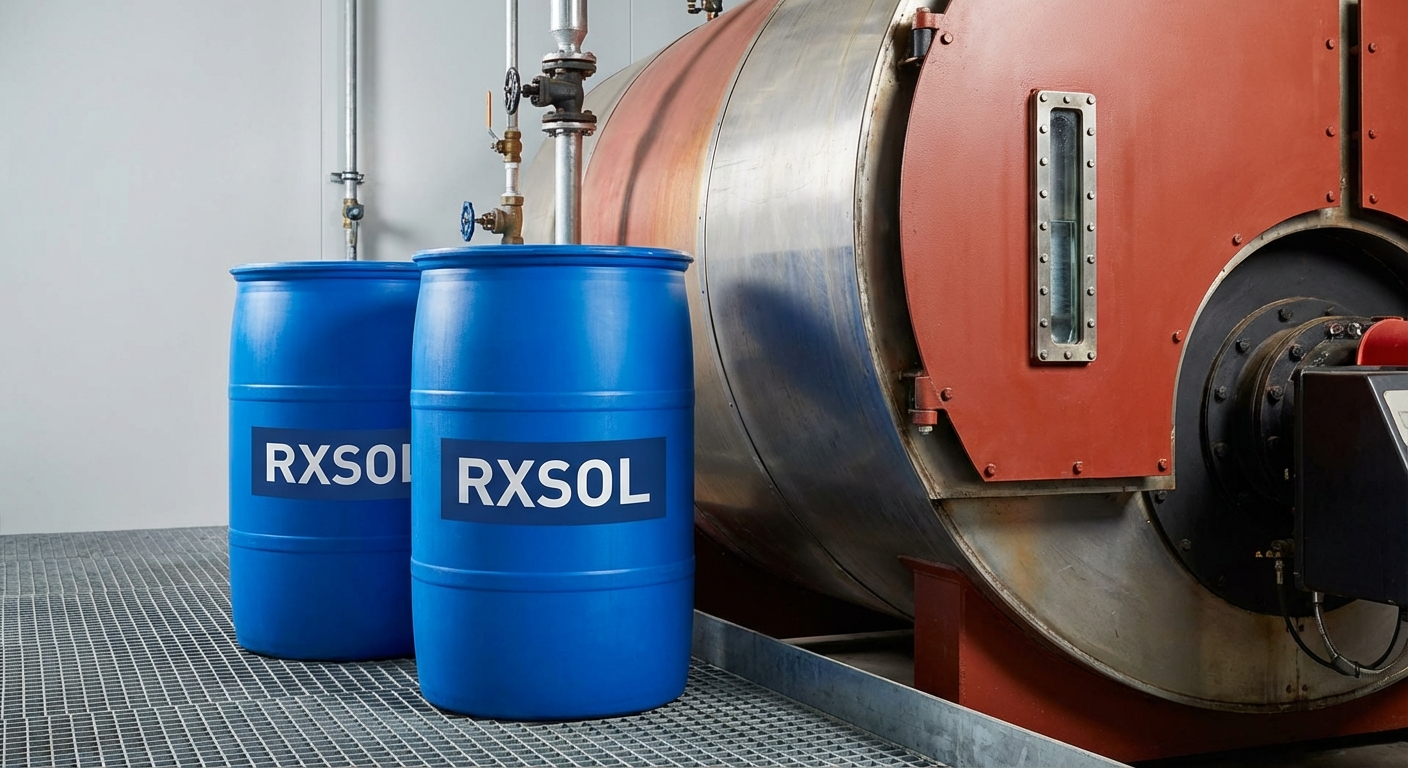
In industries like oil & gas, construction, and heavy manufacturing, maintaining clean rigs and equipment is not just about appearance—it’s a vital part of operational efficiency, safety, and regulatory compliance. Poor cleaning practices can lead to equipment failure, safety hazards, and costly downtime.
This guide outlines the most effective best practices for rig wash and equipment cleaning to help you improve performance, reduce risks, and extend the life of your assets.
Why Rig Wash and Equipment Cleaning Matters
Regular cleaning plays a crucial role in:
- Preventing corrosion and wear caused by dirt, chemicals, and debris
- Improving equipment performance by removing buildup that affects functionality
- Enhancing safety by reducing slip hazards and fire risks
- Ensuring compliance with environmental and industry regulations
- Reducing maintenance costs by identifying issues early
A structured cleaning routine is an investment that pays off in both the short and long term.
1. Develop a Standardized Cleaning Schedule
Consistency is key. Create a cleaning schedule based on:
- Equipment usage frequency
- Operating environment (offshore, desert, etc.)
- Manufacturer recommendations
Daily, weekly, and monthly cleaning routines help prevent excessive buildup and reduce the need for intensive deep cleaning.
2. Use the Right Cleaning Methods
Different equipment requires different cleaning approaches. Common methods include:
High-Pressure Washing
Ideal for removing heavy mud, grease, and debris. Ensure pressure levels are suitable to avoid damaging sensitive components.
Steam Cleaning
Effective for breaking down oil and grease while minimizing chemical use.
Chemical Cleaning
Use industrial-grade detergents or degreasers for stubborn contaminants, ensuring they are compatible with equipment materials.
3. Choose Appropriate Cleaning Agents
Selecting the right cleaning chemicals is critical:
- Use biodegradable and environmentally friendly solutions whenever possible
- Avoid harsh chemicals that can damage coatings or seals
- Ensure compatibility with metals, rubber, and plastics
Always follow manufacturer guidelines and safety data sheets (SDS).
4. Prioritize Safety Measures
Safety should never be compromised during cleaning operations:
- Provide workers with proper Personal Protective Equipment (PPE)
- Lockout/tagout equipment before cleaning
- Ensure proper ventilation when using chemicals
- Train staff on safe handling procedures
A safe cleaning process reduces accidents and improves overall efficiency.
5. Implement Proper Waste Management
Cleaning operations generate wastewater and hazardous residues. Best practices include:
- Collecting and treating wastewater before disposal
- Using containment systems to prevent environmental contamination
- Complying with local environmental regulations
Sustainable practices not only protect the environment but also enhance your company’s reputation.
6. Inspect Equipment During Cleaning
Cleaning is the perfect opportunity to inspect equipment for:
- Leaks or cracks
- Corrosion or rust
- Loose components
- Wear and tear
Early detection helps prevent major failures and costly repairs.
7. Train Your Workforce
A well-trained team ensures consistent and effective cleaning:
- Conduct regular training sessions
- Provide clear SOPs (Standard Operating Procedures)
- Emphasize safety and efficiency
Skilled workers can significantly improve cleaning outcomes and reduce downtime.
8. Invest in Modern Cleaning Technology
Advanced cleaning equipment can improve efficiency and reduce labor:
- Automated wash systems
- Water recycling units
- Eco-friendly pressure washers
Modern solutions help reduce water usage, operational costs, and environmental impact.
9. Maintain Documentation and Compliance
Keep detailed records of:
- Cleaning schedules
- Chemicals used
- Inspection results
- Waste disposal methods
Proper documentation ensures compliance with industry standards and simplifies audits.
Conclusion
Effective rig wash and equipment cleaning are essential for maintaining productivity, safety, and compliance in demanding industrial environments. By implementing standardized procedures, using the right tools and chemicals, and prioritizing safety and sustainability, organizations can significantly enhance equipment performance and longevity.
Adopting these best practices not only reduces operational risks but also positions your business for long-term success in a highly competitive industry.
FAQs
1. How often should rigs be cleaned? Cleaning frequency depends on usage and environment, but regular daily and weekly cleaning is recommended, with periodic deep cleaning.
2. What is the best method for removing grease from equipment? Steam cleaning or using industrial degreasers is highly effective for removing grease.
3. Are eco-friendly cleaning solutions effective? Yes, modern biodegradable cleaners are both effective and environmentally responsible.
By following these best practices, you can ensure your rig wash and equipment cleaning processes are efficient, safe, and compliant with industry standards.
Related Solutions & Products
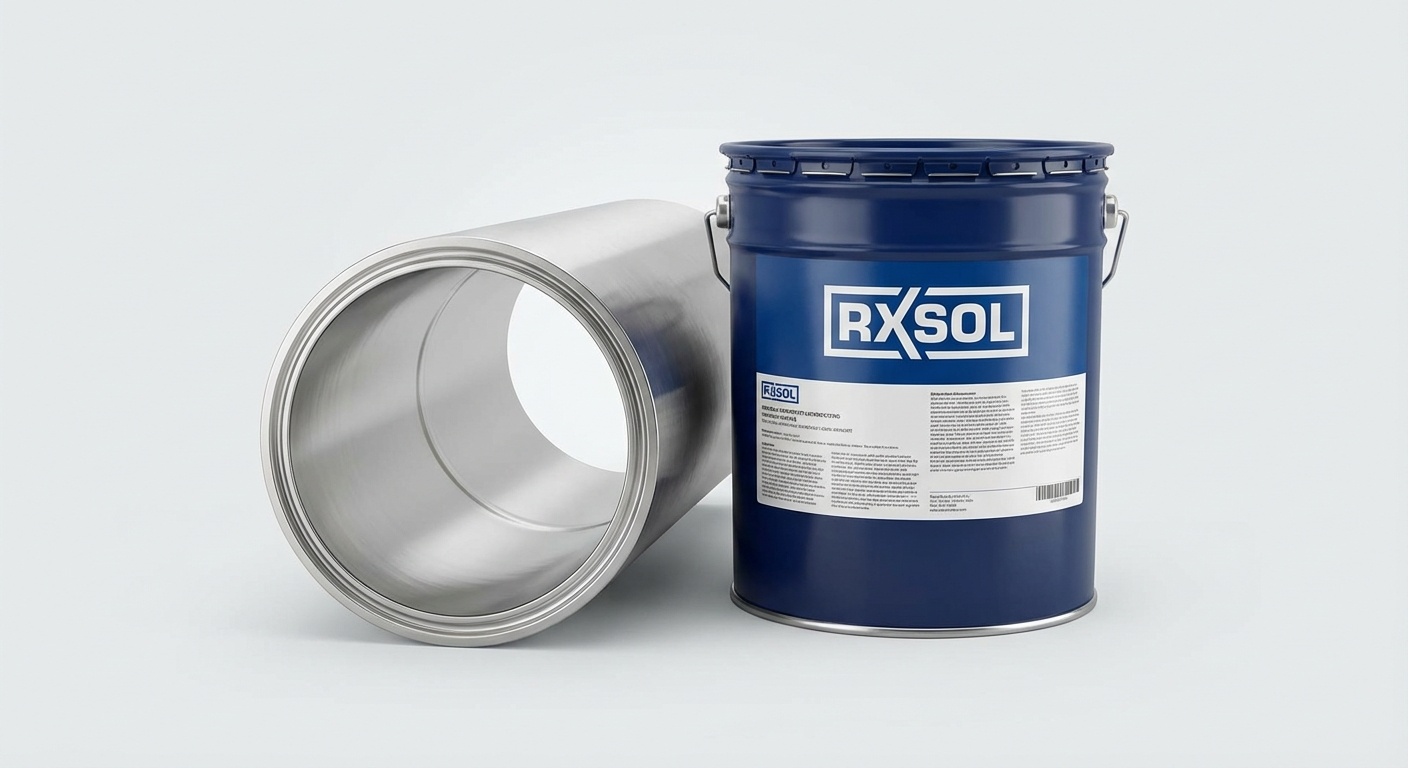
Rig Wash Green 25 Ltr
Environmentally friendly, biodegradable green rig wash for oilfield surface cleaning. Non-toxic formula safe for use near water bodies and sensitive environments.
Learn more →Rig Wash Liquid
100-litre packaging of rig wash liquid for mid-scale oilfield and industrial cleaning operations. Flexible format between 25L and 210L drums.
Learn more →Rig Wash Liquid Concentrate
210-litre drum of industrial rig wash liquid concentrate for continuous bulk use at pressure wash stations on oilfields and drilling rigs.
Learn more →Rig Wash Liquid Concentrate 1000 Ltr
1000-litre IBC tote of concentrated rig wash detergent for high-volume oilfield operations. Reduces per-litre cost for large facilities and offshore logistics.
Learn more →Rig Wash Powder
25 kg bag of heavy-duty alkaline rig wash powder for large-scale industrial and oilfield surface cleaning. Economical powder concentrate with long shelf life.
Learn more →Rig Wash T-Pol 103
General-purpose Teepol 103-grade liquid detergent for everyday rig and industrial surface cleaning. Excellent wetting and emulsification properties.
Learn more →Rig Wash T-Pol Detergent
High-performance T-Pol (Teepol-grade) multipurpose detergent in 210-litre drums for large-scale rig and industrial cleaning. Effective across a wide temperature range.
Learn more →Rig Wash Tuff
Ultra-tough rig wash for the most challenging oilfield cleaning jobs. Removes hardened grease, carbonised deposits, and tenacious drilling mud.
Learn more →Need Technical Assistance?
Our team of chemical engineers is available in Abu Dhabi and Dubai to provide dosage consultation and safety documentation.